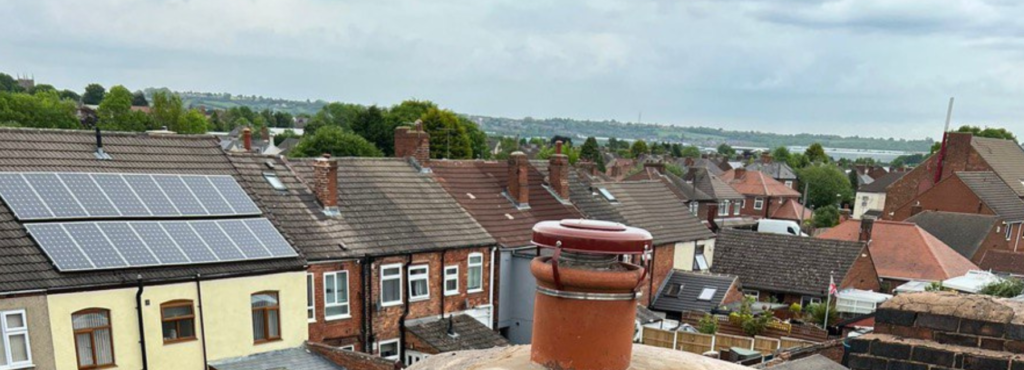
Knowing that something is wrong with your roof is often easier than knowing exactly what needs repairing. A damp patch might indicate damaged flashing rather than a broken tile, while a visibly slipped tile could be accompanied by problems beneath the roof covering. In other situations, several seemingly minor defects may point towards more widespread deterioration.
For homeowners in Woodmansey, East Riding of Yorkshire, the right roof repair begins with identifying the cause and extent of the problem. At TRP Roofing Woodmansey, we assess the roofing system carefully before recommending the appropriate work, helping ensure repairs address the actual defect rather than simply treating the most obvious symptom.
Start with the Signs You Can See
Roofing problems can reveal themselves in several ways. Some are clearly visible from outside, while others first become noticeable inside the property.
Common warning signs include:
- Missing, cracked or slipped tiles
- Damp patches on ceilings
- Water marks in the loft
- Loose roofing materials
- Deteriorated flashing
- Problems around chimneys
- Damaged ridge or hip tiles
- Water overflowing from roof drainage
- Recurring leaks during rainfall
These signs provide useful clues, but they do not always reveal the complete cause of the problem.
Damaged Tiles May Need Localised Repairs
Individual tiles can become cracked, broken or displaced through weather exposure, impact or gradual deterioration.
Where the surrounding roof remains in sound condition, the required work may be relatively localised. Damaged tiles can be replaced or repositioned, while the surrounding area should also be checked for related defects.
A professional inspection can establish whether the problem is limited to the visible tiles or whether the underlay, battens or neighbouring materials also require attention.
Roof Leaks Require Proper Investigation
A leaking roof does not necessarily mean the roofing defect is directly above the visible damp patch.
Water can enter through one location and travel along underlay, timbers or other materials before appearing inside the property elsewhere.
Possible sources include:
- Damaged tiles or slates
- Failed flashing
- Roof valleys
- Ridge or hip defects
- Roof junctions
- Deteriorated flat roofing materials
Finding the actual entry point is essential if the repair is to provide a dependable result.
Flashing Repairs May Be Required Around Roof Junctions
Flashing protects some of the most vulnerable areas of a roof, particularly where different surfaces or structures meet.
Over time, flashing may become loose, cracked or separated from adjoining materials. This can create small openings through which rainwater enters.
Where flashing is responsible for the problem, repairing unrelated tiles will not solve the underlying issue. The affected junction needs to be assessed and restored appropriately.
Ridge and Hip Problems Need Specific Attention
Ridge and hip tiles occupy exposed positions and can gradually develop problems through weathering and movement.
Signs requiring investigation can include:
- Loose ridge tiles
- Visible gaps
- Deteriorated surrounding materials
- Movement after strong winds
- Water ingress around the upper roof
The appropriate repair depends on the installation and condition of the affected section rather than applying the same solution to every ridge or hip problem.
Chimney Areas Can Be a Source of Roof Problems
Where a property has a chimney, the surrounding roof contains several details that must work together to keep water out.
Problems can develop around:
- Flashing
- Mortar joints
- Chimney junctions
- Adjacent tiles
- Surrounding roof materials
Because several potential entry points are concentrated within a relatively small area, careful inspection is particularly important when dampness appears near a chimney.
Flat Roof Repairs Depend on the Type of Defect
Flat roofing problems can differ considerably from defects affecting pitched roofs.
Signs that a flat roof requires attention may include:
- Cracking
- Splitting
- Blistering
- Loose edges
- Damaged joints
- Persistent standing water
- Internal signs of moisture
A small isolated defect may be suitable for repair, while widespread deterioration requires assessment of the broader roof surface.
Wind Damage May Affect More Than One Tile
After periods of strong wind, the most obvious sign may be a single missing tile. However, surrounding materials can sometimes have shifted or loosened without becoming completely detached.
A post-weather inspection may therefore consider:
- Displaced tiles
- Loose ridge or hip sections
- Damaged flashing
- Exposed underlay
- Movement around roof edges
Repairing all affected areas helps restore the roof as a complete protective system.
Gutters and Roof Drainage Should Not Be Overlooked
Sometimes a problem that appears to originate from the roof covering is actually connected with drainage.
Blocked or damaged gutters can allow water to overflow around roof edges and external surfaces. Valleys and other drainage routes can also become restricted by debris.
Checking how water moves away from the roof is therefore an important part of diagnosing certain moisture problems.
When Does a Repair Need to Include the Underlying Roof?
The visible roof covering is only the outer layer of the roofing system.
If water has been entering for some time, the condition of materials beneath the tiles may also need to be checked. Depending on the circumstances, this can include:
- Underlay
- Battens
- Roof timbers
- Insulation
Simply replacing the visible damaged material may not be sufficient where deterioration has developed below it.
Repeated Repairs Can Indicate a Wider Issue
Occasional localised repairs are a normal part of maintaining many roofs. However, frequent problems appearing across different sections deserve closer investigation.
If tiles repeatedly fail, leaks keep returning or several areas are deteriorating at the same time, the condition of the complete roofing system should be assessed.
The important distinction is between an isolated defect and widespread deterioration.
Does Your Roof Need Repair or More Extensive Work?
Not every damaged roof requires replacement. If the majority of the roofing system remains serviceable, targeted repairs can often restore effective weather protection.
More substantial work may become appropriate where there is:
- Widespread deterioration
- Repeated failure across several areas
- Extensive damage to roofing materials
- Significant deterioration beneath the covering
- Numerous recurring leaks
A professional assessment helps avoid both unnecessary replacement and repeated minor repairs where the underlying condition requires broader attention.
Why Diagnosis Matters as Much as the Repair
A successful roof repair begins before any roofing materials are replaced.
The roofer first needs to establish:
- Where the problem originates.
- Why it has developed.
- How far the damage extends.
- Which surrounding components are affected.
- What work will restore reliable weather protection.
This diagnostic approach is particularly important with leaks, where the visible internal symptom may be some distance from the external defect.
Why DIY Repairs Can Miss the Underlying Problem
A visible gap or damaged tile may appear straightforward to repair, but roofing defects can be more complicated than they initially seem.
Without inspecting the surrounding area, it is easy to address the symptom while leaving the cause unresolved. Temporary surface treatments may also conceal deterioration without restoring the affected roofing components properly.
Professional roof repairs focus on understanding the complete problem before deciding how it should be corrected.
The Value of Acting Before Damage Spreads
Small roofing defects can become more extensive when repeatedly exposed to rain and wind.
A minor opening can allow moisture beneath the covering, potentially affecting neighbouring materials and eventually reaching the roof space.
Timely repairs help:
- Restore weather resistance
- Protect underlying materials
- Limit moisture penetration
- Prevent localised defects from spreading
- Maintain serviceable areas of the existing roof
Early assessment is particularly worthwhile when a new problem appears after severe weather or rainfall.
Why Choose TRP Roofing Woodmansey?
At TRP Roofing Woodmansey, we provide professional roof inspections and repairs throughout Woodmansey, East Riding of Yorkshire. Rather than assuming what work is required from the most obvious symptom, we assess the affected area and consider the wider condition of the roofing system.
Whether the problem involves damaged tiles, a persistent leak, defective flashing, ridge or hip deterioration, chimney-related issues or a more extensive roofing concern, our focus is on identifying the cause and carrying out the appropriate work.
Conclusion
The type of roof repair your property needs depends on much more than what can be seen from ground level. A missing tile may require a straightforward localised repair, while recurring leaks, widespread deterioration or damage beneath the roof covering may require more extensive attention.
The most effective approach is to identify the source, understand the extent of the damage and then choose a repair that addresses the underlying problem. This helps preserve sound areas of the roof while ensuring damaged sections receive the attention they genuinely require.
If you have noticed signs of roofing damage at your property in Woodmansey, East Riding of Yorkshire, contact TRP Roofing Woodmansey. We can assess the condition of your roof and recommend the appropriate repair work to restore dependable protection without unnecessary intervention.
Call us on: 01482 421 885
Click here to find out more about TRP Roofing Woodmansey
Click here to complete our contact form and see how we can help with your roofing needs.