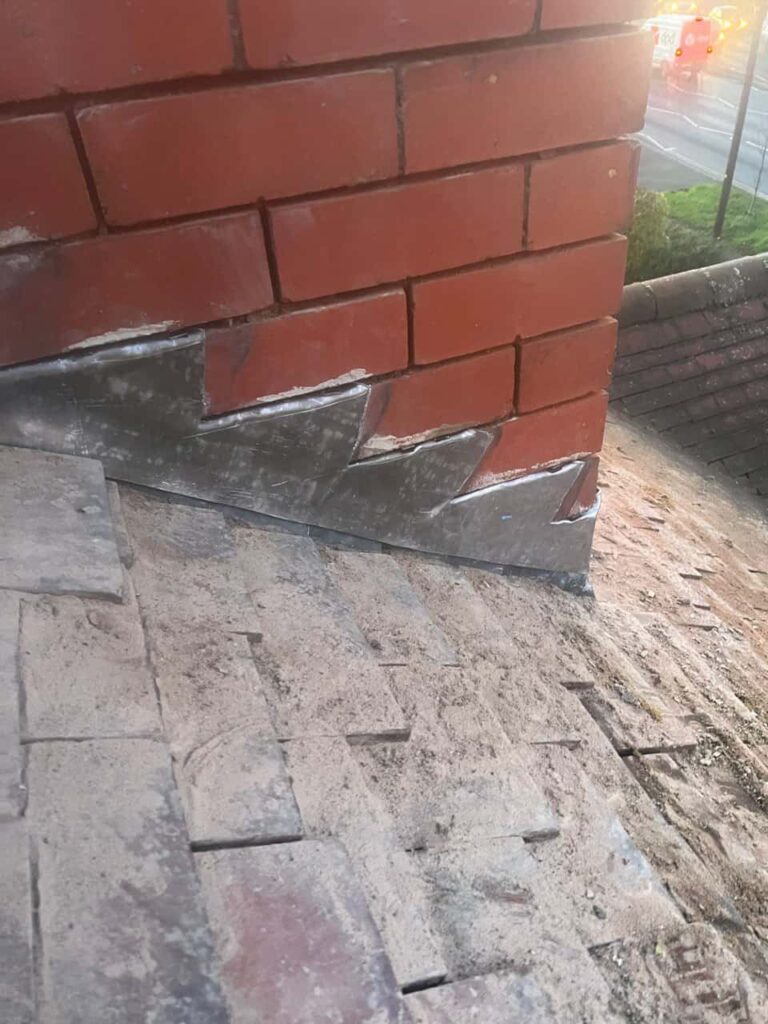
A damaged roof can affect far more than the tiles, slates or covering visible from outside. Once rainwater finds a route beneath the roof surface, it may reach the underlay, insulation, roof timbers, ceilings and internal walls. What begins as a relatively contained defect can therefore become a much wider problem if the source is not identified and repaired correctly.
Professional roof repairs are intended to restore the roof’s weather resistance and prevent deterioration from spreading. This requires more than covering the visible symptom. An effective repair addresses the underlying cause, checks the surrounding materials and reinstates the affected area using an appropriate method.
Why Prompt Roof Repairs Matter
Roof defects rarely improve without intervention. A slipped tile, split flashing detail or damaged section of underlay may initially allow only a small amount of moisture to enter. Continued exposure to rainfall can enlarge the opening, weaken surrounding materials and create additional routes for water ingress.
Moisture may also travel away from the original entry point before becoming visible indoors. By the time staining appears on a ceiling, water may already have affected insulation or timber within the roof space. Arranging an inspection when the first warning signs appear can help contain the damage.
Preventing Moisture From Reaching Roof Timbers
Roof timbers provide essential structural support. Although they can tolerate normal variations in moisture, persistent water ingress may prevent them from drying properly. Over time, damp conditions can contribute to staining, fungal growth and gradual timber deterioration.
A professional repair stops the source of moisture before assessing whether nearby materials have also been affected. Depending on the defect, this may involve replacing damaged tiles, renewing a section of underlay, repairing flashing or rebuilding a failed roof junction.
Correcting the complete route of water entry helps protect the roof structure rather than simply concealing the visible leak.
Protecting Insulation, Ceilings and Internal Walls
Once insulation becomes wet, it may compress and become less effective. Moisture can then reach ceilings and walls, causing discolouration, peeling finishes or damaged plaster.
These internal signs do not always appear immediately. Water can accumulate gradually or only enter during rain from a particular direction. A professional roofer will consider how rainfall moves across the roof and inspect likely entry points above and around the affected area.
Stopping the ingress at roof level helps prevent further damage to the rooms below. Internal surfaces should only be redecorated once the roofing defect has been resolved and the affected materials have had sufficient opportunity to dry.
Preventing a Small Defect From Spreading
Roofing materials work as an interconnected system. One loose tile can expose the underlay, while failed mortar can allow neighbouring ridge or hip tiles to move. Damaged flashing may direct water behind materials that were previously protected.
Common defects that can spread if left unattended include:
- Slipped, cracked or missing tiles
- Loose ridge or hip tiles
- Split or displaced lead flashing
- Damaged roof valleys
- Torn or deteriorated underlay
- Defective flat roof seams or edges
- Failed seals around roof penetrations
- Damaged fascia boards or guttering that disrupt water flow
A carefully completed repair secures the affected components and checks adjoining areas for weakness. This reduces the likelihood of the original problem placing additional strain on surrounding materials.
Maintaining Effective Roof Drainage
A roof must direct rainfall towards its gutters and outlets without allowing water to collect or flow into vulnerable junctions. Damaged valleys, blocked outlets, defective gutters and poorly aligned materials can interfere with this process.
Standing or misdirected water increases the time roofing materials remain exposed to moisture. On flat roofs, it may also exploit weakened seams, splits or surface damage.
Professional repair work considers drainage as part of the wider roof system. Restoring the correct flow of water can protect exterior walls, fascia boards, soffits and the building beneath the roofline.
Why Accurate Diagnosis Is Essential
The damp patch visible inside a property is not always directly below the roof defect. Water may travel along underlay, battens or rafters before dripping into the room beneath. Repairing only the area above the stain may therefore leave the actual entry point untouched.
A methodical roof inspection can include the covering, flashings, valleys, ridges, junctions and accessible internal roof space. The aim is to trace the moisture to its source and determine whether the problem is isolated or part of broader deterioration.
This approach helps avoid repeated surface repairs and ensures the recommended work is appropriate for the roof’s actual condition.
When a Wider Roof Assessment May Be Needed
A targeted repair is often suitable when damage is limited and the surrounding roof remains serviceable. However, repeated leaks, widespread tile movement or deterioration across several roof sections may indicate a more extensive problem.
A wider assessment may be advisable if:
- Leaks have appeared in several rooms
- New defects develop frequently
- Previous repairs have not stopped the problem
- Large areas of underlay or battens are deteriorating
- Numerous tiles or slates are loose or damaged
- Moisture is affecting different parts of the roof structure
The purpose of the assessment is not to assume that replacement is necessary. It is to establish whether a localised repair can provide dependable protection or whether more comprehensive work should be considered.
Professional Roof Repairs in Woodmansey
Properties in Woodmansey, East Riding of Yorkshire, benefit from roof repairs that address both the immediate defect and the condition of the surrounding materials. Careful diagnosis and suitable workmanship can help keep water out, protect structural components and reduce the possibility of avoidable internal damage.
TRP Roofing Woodmansey assesses roofing problems methodically before recommending an appropriate repair. This allows the work to focus on the true cause and restore the affected section as effectively as possible.
Conclusion
Professional roof repairs can prevent further property damage by stopping water ingress, protecting roof timbers and insulation, maintaining drainage and preventing minor defects from spreading. The earlier the underlying cause is identified, the easier it is to limit the effect on other parts of the property.
If you have noticed a leak, displaced roofing material or another sign of deterioration at your property in Woodmansey, East Riding of Yorkshire, contact TRP Roofing Woodmansey to arrange a professional assessment and discuss the most suitable repair.
Call us on: 01482 421 885
Click here to find out more about TRP Roofing Woodmansey
Click here to complete our contact form and see how we can help with your roofing needs.